

gpr concrete imaging
(480)-799-7019
Residential GPR scanning
Drilling into your slab? Know what’s inside first.
Automotive Lift/Shop Equipment

Safes
Floor Mounted EV Chargers

Home Gyms

Pergolas/Coverings
Pool Fencing
(480)-799-7019
commercial GPR scanning
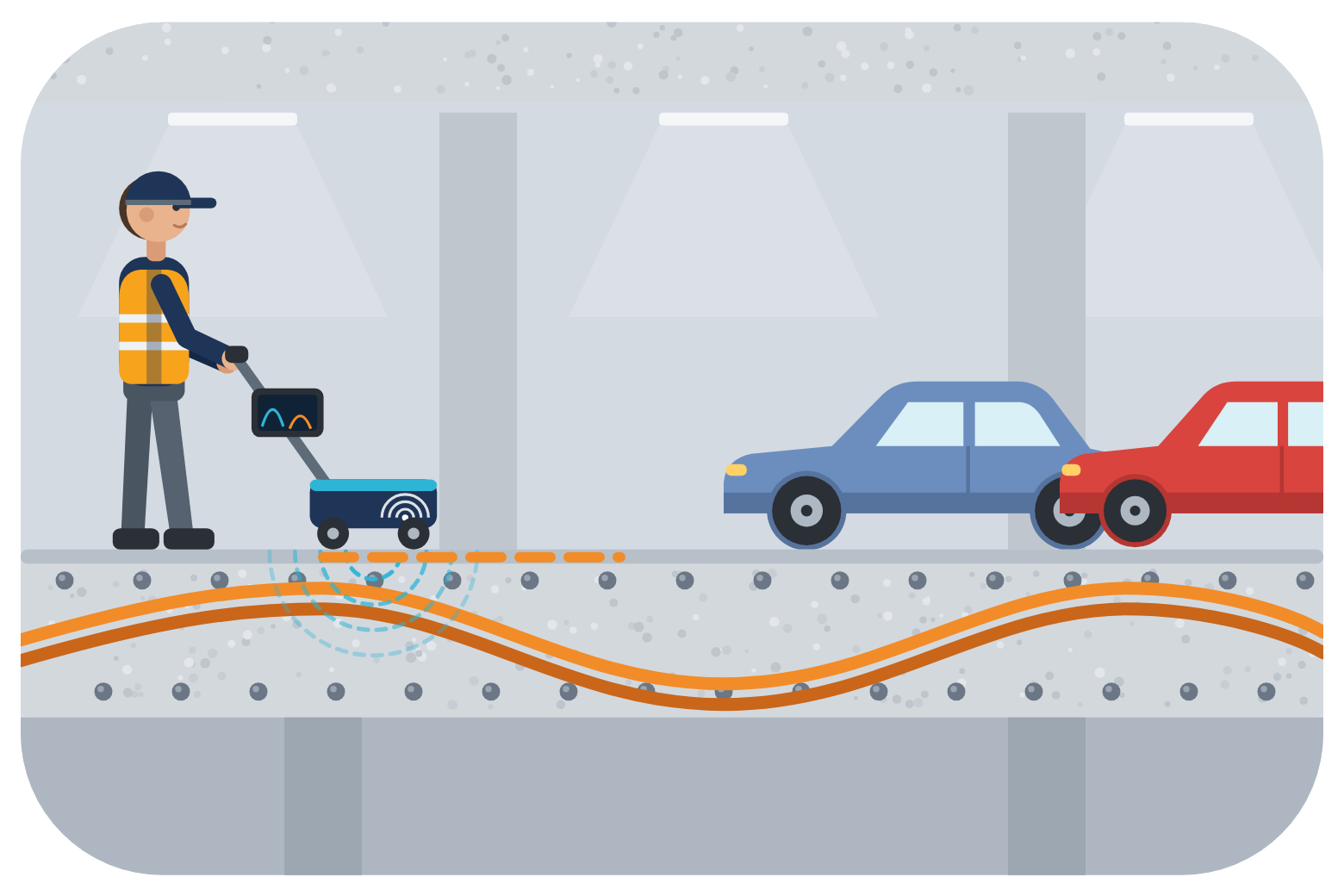
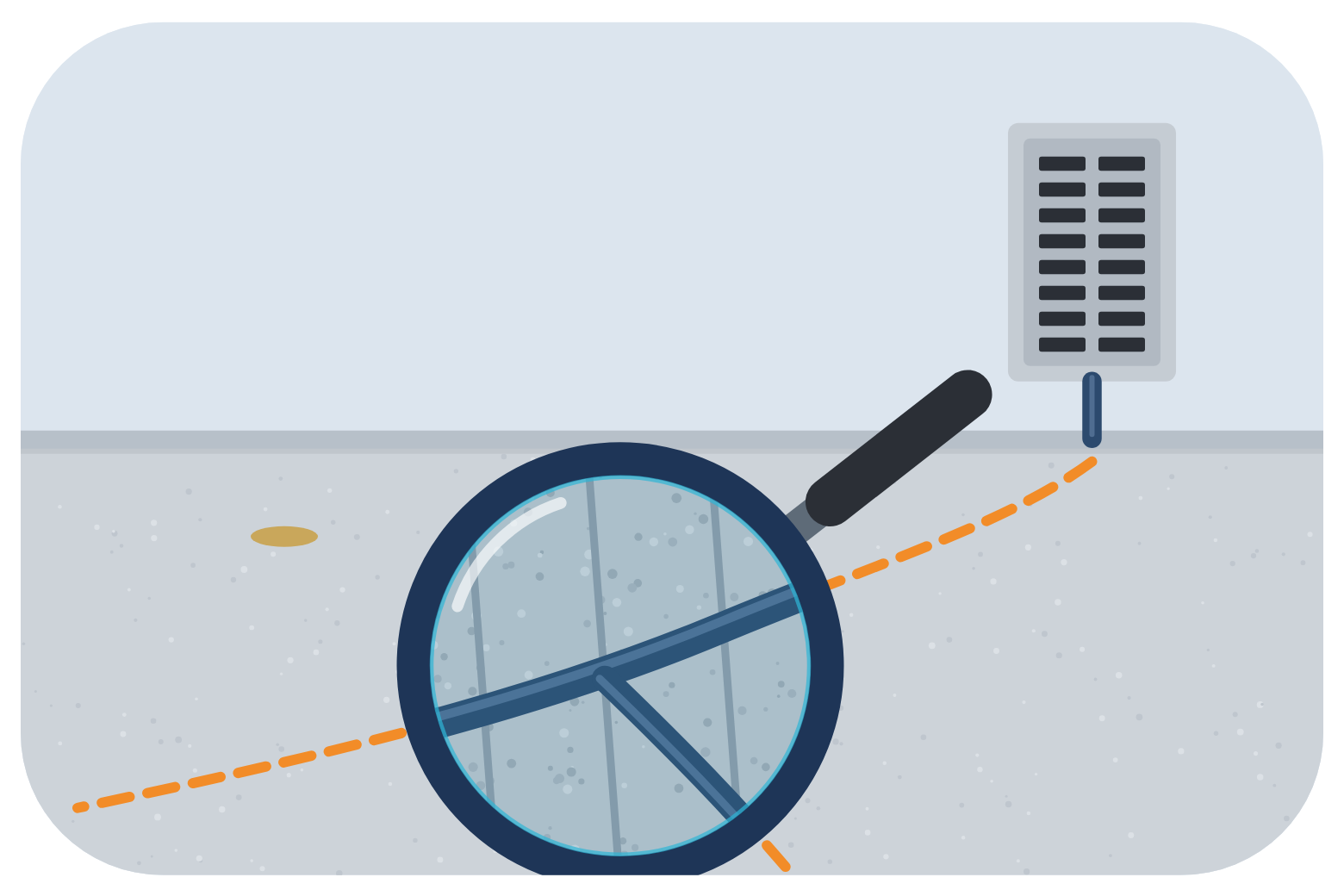
Post-tension, rebar and conduit located and marked before you cut, core or drill.
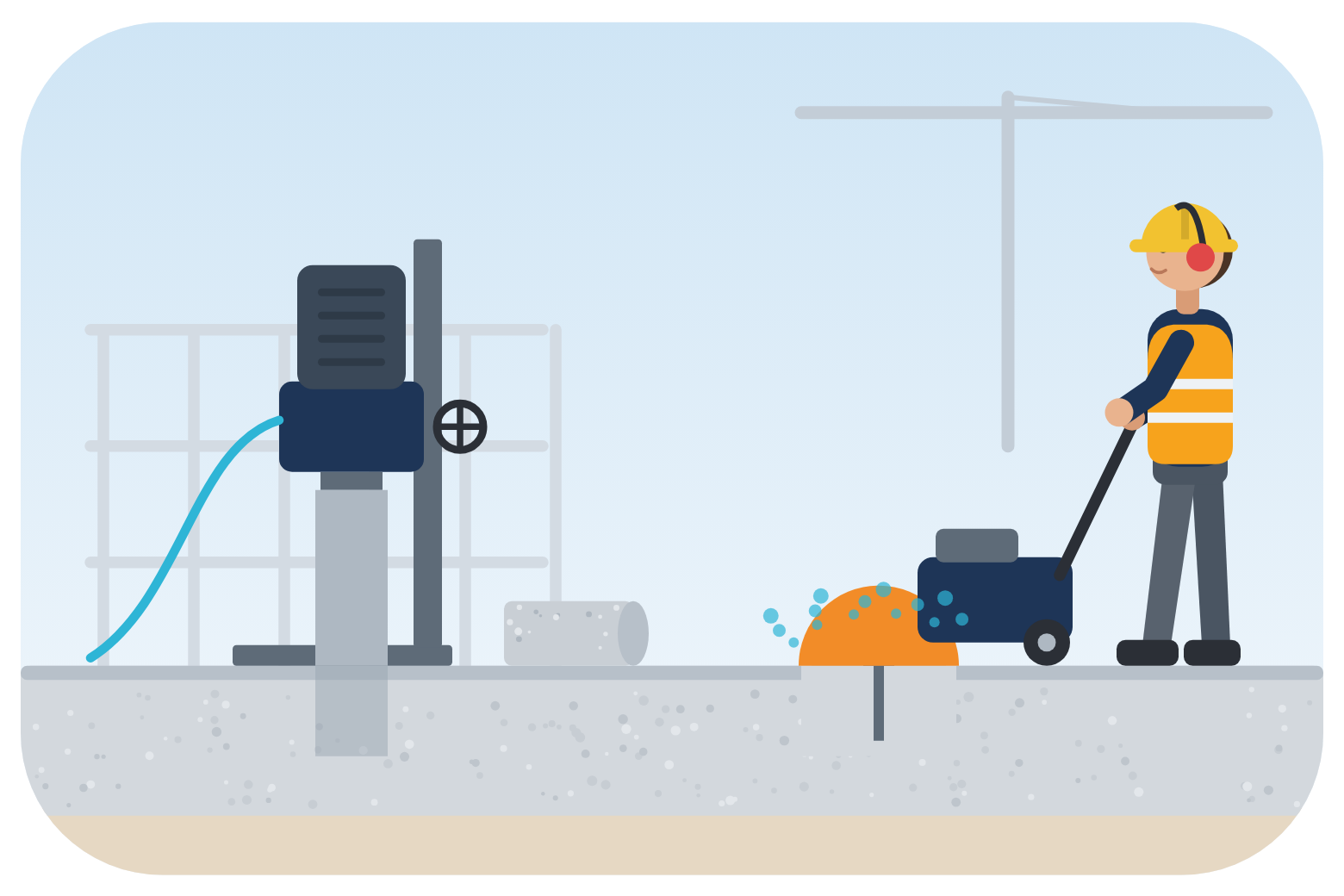
Core Drilling and Saw Cutting
Post Tension Locating

Warehouse Racking

MEP Penetrations

Commercial TI Projects
Conduit Mapping
(480)-799-7019
What is GPR imaging?
GPR Imaging (scanning) is radar technology that sees through concrete…
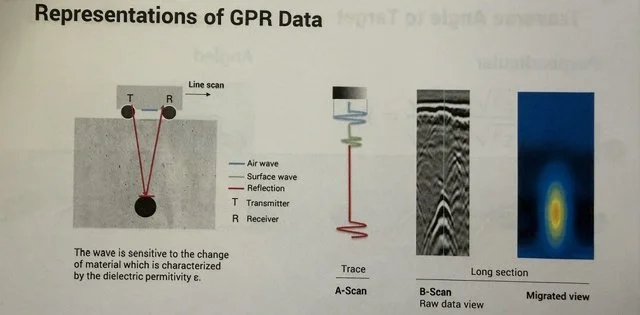
Ground penetrating radar — GPR — works by sending high-frequency radio pulses into a concrete surface and recording how those pulses bounce back. Different materials inside the concrete (steel rebar, plastic conduit, post-tension cables, voids) each reflect the signal differently. The result is a real-time subsurface image that shows exactly where objects are located, and how deep they sit.
A trained GPR technician reads that image on-site, marks the safe zones on your slab or wall, and gives you a clear field report before any drilling, cutting, or coring begins. The entire process is non-destructive — no chipping, no guessing, no damage.
What are we looking for?
GPR scanning reveals the full picture of what's embedded in a slab, wall, or structural member — before your crew ever makes contact.
Rebar & wire mesh
Location, depth, and spacing of all reinforcing steel
Post-tension cables
Stressed cables that can be catastrophic if cut
Electrical conduits
Embedded wiring and conduit runs within concrete
Plumbing & pipes
Water, gas, and drain lines encased in slabs
Voids & delamination
Air pockets and structural anomalies beneath the slab
Data & telecom conduits
Low-voltage and communications infrastructure
Our Process
Step 01
Scan the surface
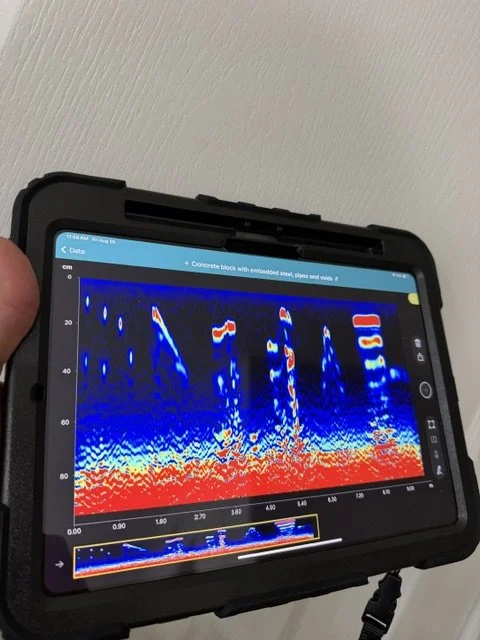
The GPR unit is moved across the concrete in a grid pattern, sending radar pulses into the slab and collecting return signal data in real time.
Step 02
Interpret the data
The technician reads the subsurface imagery on-site — identifying the location and depth of embedded objects with quarter-inch accuracy.
Step 03
Mark and report
Marked as requested directly on the concrete. A field report with scan data is provided upon request for your project records.